Number draw · cards
Keno Guide: Picks, Draws and Play Flow | Tongits Cafe
Keno is a straightforward number-draw format: choose a set of numbers, let the round draw its results, then compare matches with the published paytable. It is chance-led rather than a system to beat, so the useful starting point is understanding the rules and setting a firm limit.
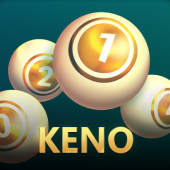
More quick picks beside Keno
If you are comparing short-format games, these nearby cards-category choices offer different kinds of decisions. Each opens through the same game lobby; availability and rules should be checked there.
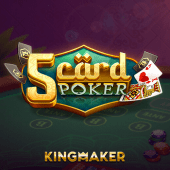
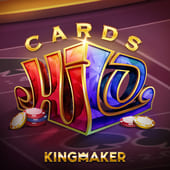
What happens during a Keno round?
The core sequence is pick, confirm, draw, and compare. Before you start, verify how many selections are allowed, how many numbers are drawn, and what the paytable says for each match count; those details can vary by game version.
- 1Review the board. Read the selection range and round rules first. Do not assume that a familiar Keno layout uses identical limits or payout terms.
- 2Choose a small set. Mark the number of picks allowed by that round and check the displayed stake. A larger selection changes the match profile; it does not make any outcome certain.
- 3Confirm before the draw. Check your selections and total cost on the confirmation view. If anything is unclear, cancel or leave rather than guessing at a setting.
- 4Watch the draw finish. Wait for all results to appear, then review the match count. Do not treat one result as evidence that the next round is due to behave differently.
- 5Compare and close. Match the result to the displayed paytable and session ledger. End at the limit you set before play, whatever the result.
For a first visit, approach a Keno Demo, when one is offered, as a way to learn the interface rather than predict returns. Demo availability and rules can differ from a paid round. Use the same deliberate sequence in the tongits cafe Keno lobby: check the board, verify the cost, and only then decide whether to continue.
How Keno picks, draws and paytables connect
The paytable and selection rules—not a streak—define how a round is evaluated. A careful Keno review starts by relating your number count to the specific table and then treating each draw as an independent uncertain event.
- Pick count
- The board may offer a bounded number of choices. More picks alter the possible combinations and the match tiers shown in that version; they do not guarantee that more numbers will be drawn in your favour.
- Draw
- A round reveals a result set according to the game rules. Past draws are records, not signals that an unselected number is “due.” Random sequences can cluster or leave gaps without creating a reliable prediction.
- Match tier
- The number of hits is compared with the payout schedule. Read both qualifying tiers and any zero-return outcomes before play, and note whether the displayed return includes the original stake.
- Cost control
- Stake per round multiplied by the number of rounds gives a simple exposure estimate. Keep it below an entertainment budget, and avoid raising the stake to recover a previous loss.
Visitors using tongits cafe casino should compare Keno's draw-and-match rhythm with other formats by mechanics, not by a claim that one category pays more. If you are looking for a different quick entertainment option, tongits cafe bingo may have separate ticket, draw, and prize rules; review those terms independently rather than carrying assumptions across games.
A Keno Demo can help a newcomer locate controls, read the history panel, and understand how the displayed table is organised. It cannot establish a future outcome or prove a winning pattern. Keep any demo notes focused on navigation and rules, not on supposed number trends.
A practical Keno checklist before you begin
A short checklist is enough to make the experience easier to judge: know the round rules, choose a comfortable stake, and decide in advance when to stop. The order matters because a limit is more useful before a result than after it.
- Read first: Confirm pick limits, draw count, paytable, and any minimum or maximum stake displayed for the round.
- Set boundaries: Decide an affordable session cap and a time limit. Do not use money set aside for bills, food, tuition, savings, or borrowing.
- Test the interface: If a Keno Demo is available, use it to identify selection, confirmation, history, and exit controls; demo results are not a forecast.
- Keep a record: Check the round history and account activity after play. Stop and seek official support if a balance or transaction does not look right.
- Take a break: Step away when attention slips or the planned limit is reached. A win does not require another round, and a loss does not justify chasing.
On the tongits cafe Keno page, the sensible participation decision is made only after you can explain the selection, draw, and match rules in your own words. If the table does not make the terms clear, do not deposit or continue until you have checked the official information.
Keno terms that are worth knowing
The simplest way to read a number-draw game is to separate the choices you control from the draw you do not. These terms describe the display and settlement, not a method for influencing randomness.
- Selection
- The numbers marked for one round. Selection count may change which match rows apply, so use the round's own rules rather than an example from another game.
- Draw result
- The set of numbers revealed by the round. A previous result has no reliable power to tell you what the next draw will contain.
- Match count
- The number of your selected entries that also appear in the result. The game then applies the displayed paytable, if any matching tier qualifies.
- Paytable
- A schedule linking selection and match outcomes to a stated return. Check the applicable stake, prize conditions, and whether values are shown before or after stake.
- Demo mode
- A practice or preview environment when offered. It can explain navigation and mechanics, but it may not reproduce every paid-game condition and cannot prove an expected result.
When searching for Keno Demo details, distinguish a demonstration of controls from an assurance about payout. On tongits cafe, use current in-game rules as the source for the specific round, and treat any prediction claim or guaranteed-return language with caution.
Keep Keno entertainment within your limits
Keno is based on uncertain draws; no selection method can promise a return. Play only if you meet the applicable age and location requirements, and only with money and time you can afford to spend on entertainment.
Choose a fixed budget before opening any game, do not borrow to play, and never chase a losing result. If play is causing stress, hiding, debt, or conflict with daily responsibilities, stop and seek help from a trusted person or a qualified local support service. Check the platform's current terms and responsible-play controls before taking part.
Availability, conditions, and features may change. A demo is a learning aid, not a promise that a paid session will produce a particular result.
Where to continue exploring Keno and the site
For the wider selection of games and categories, return to the Tongits Cafe game index. If you want to compare a distinct slot format after learning the number-draw basics, read the Starlight Princess 1000 game guide and its own mechanics. For practical access steps and mobile-install cautions, see Tongits Cafe download and access help. These are informational paths; the site's game controls and buttons are separate promotional actions.
Keno remains easiest to evaluate when each round is read on its own terms: verify the selection rules, check the table, and keep your limit in view. Whether you are browsing Keno Demo options, considering tongits cafe Keno, or looking at another category such as tongits cafe casino or tongits cafe bingo, remember that popularity and past results do not change the uncertainty of the next draw.